ARRE meeting at the Royal Łazienki
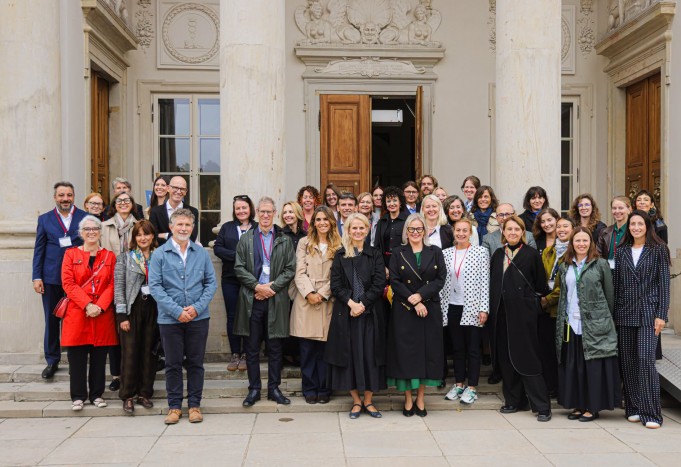
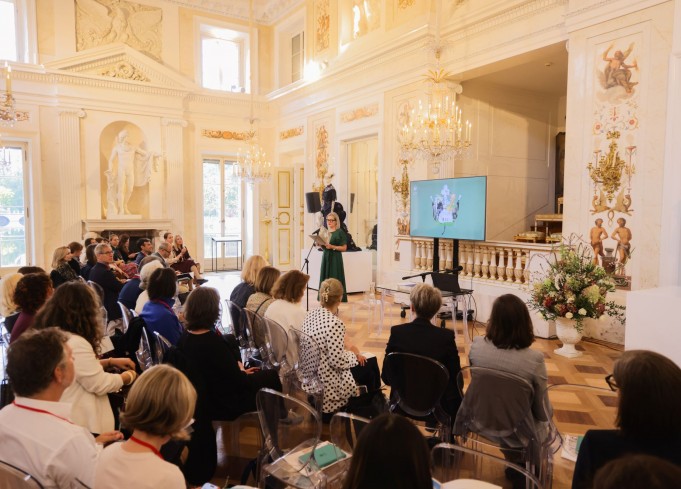
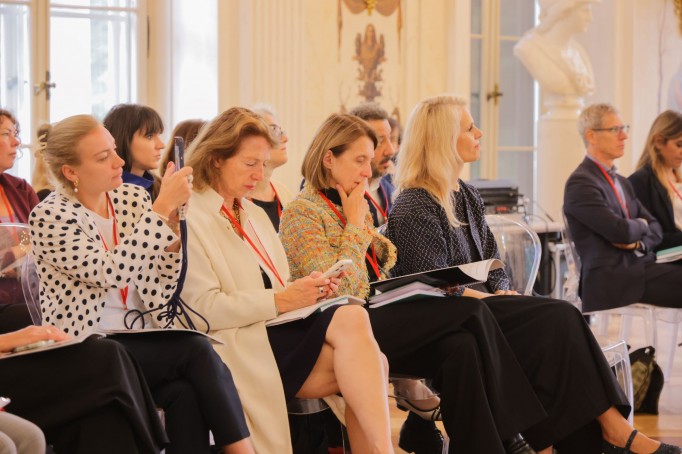
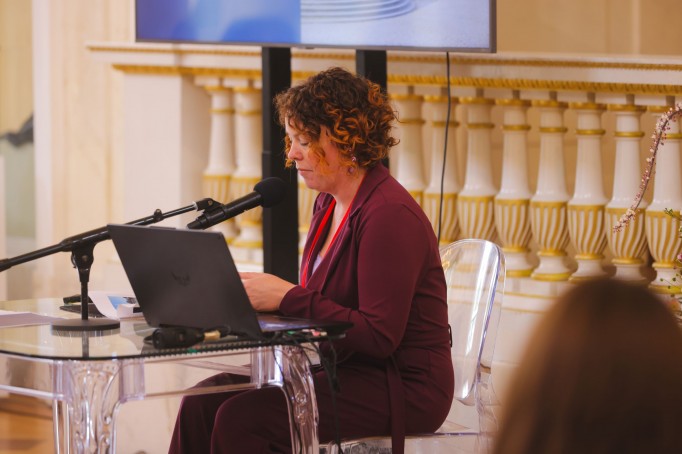
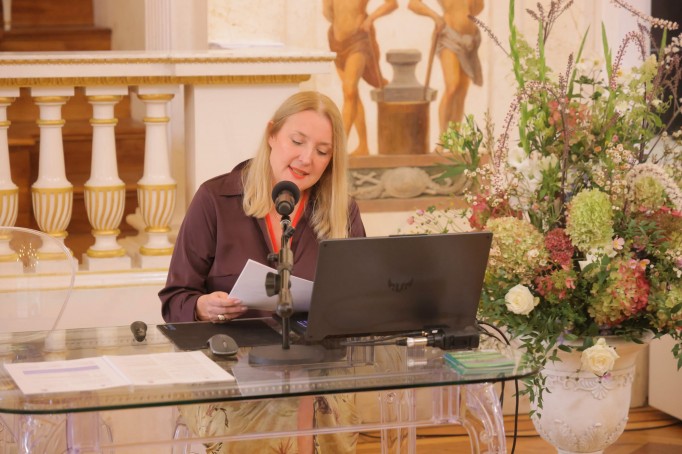
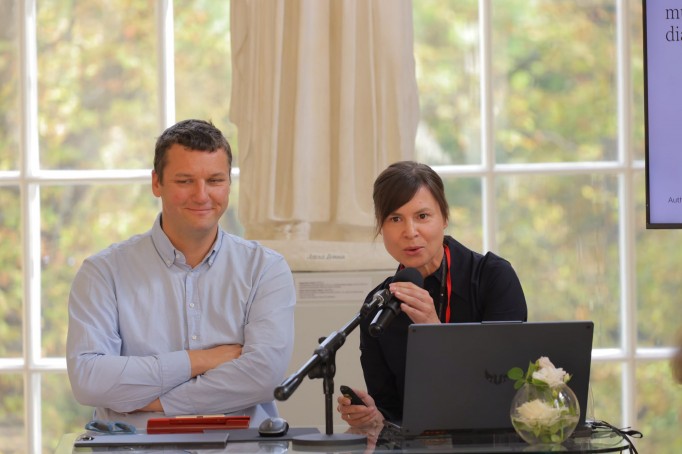
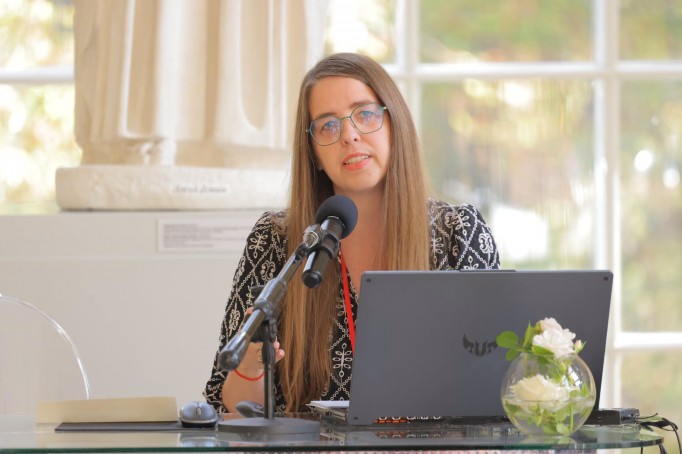
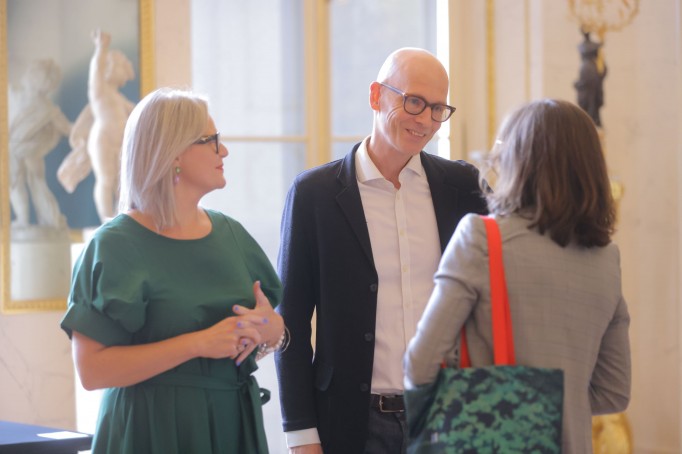
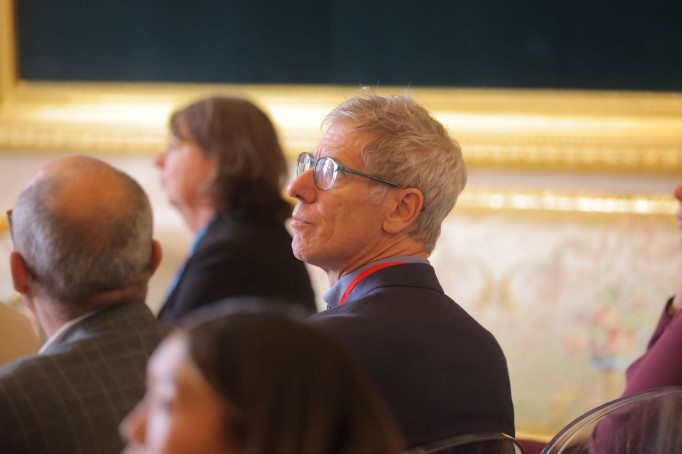
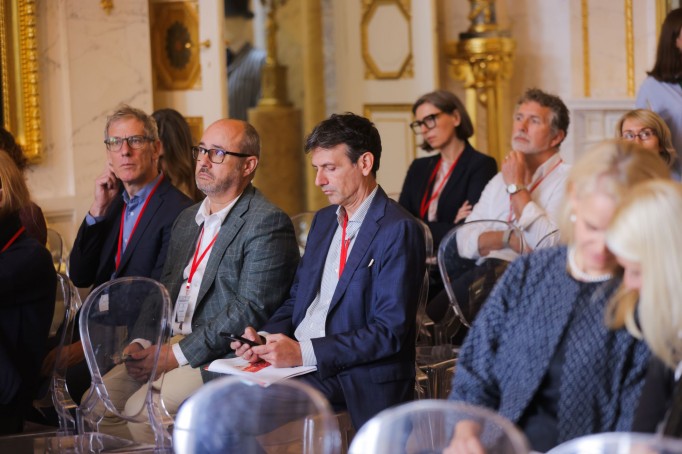
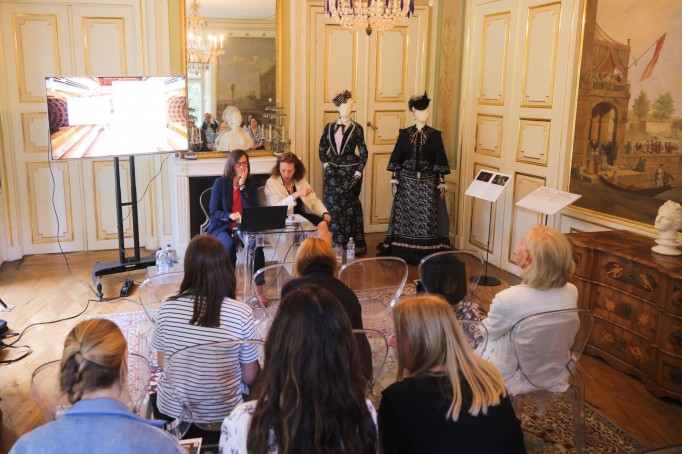
A regular meeting of the Association of European Royal Residences (ARRE) was held at the Royal Łazienki Museum with the participation of international experts. On 17 and 18 September 2026, the attendees discussed how contemporary art, new forms of interpretation of heritage and public engagement can offer new meanings to historic residences, respecting at the same time their value and function.
The meeting, organised under the theme ‘Royal residences as spaces for contemporary artistic and social experimentation’, was attended by experts from Denmark, France, Spain, the Netherlands, Germany, Poland, Portugal, the United Kingdom, Italy, Austria and Hungary. ARRE (Association des Résidences Royales Européennes) is a European network gathering the most important royal residences. Its objective is to exchange experiences and best practice, and to foster cooperation amongst specialists dealing with conservation, management and presentation of heritage.
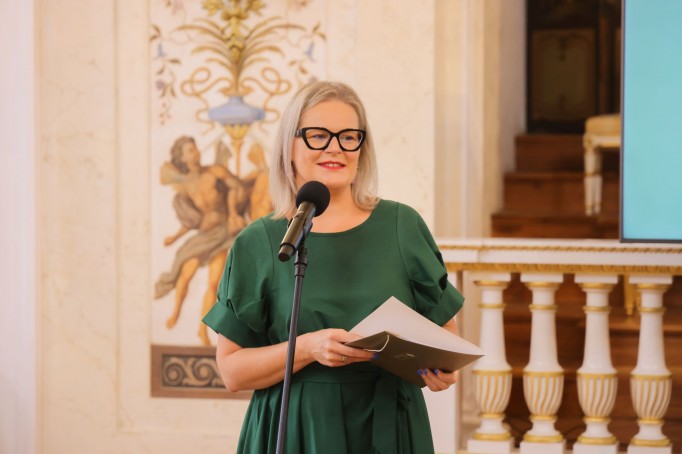
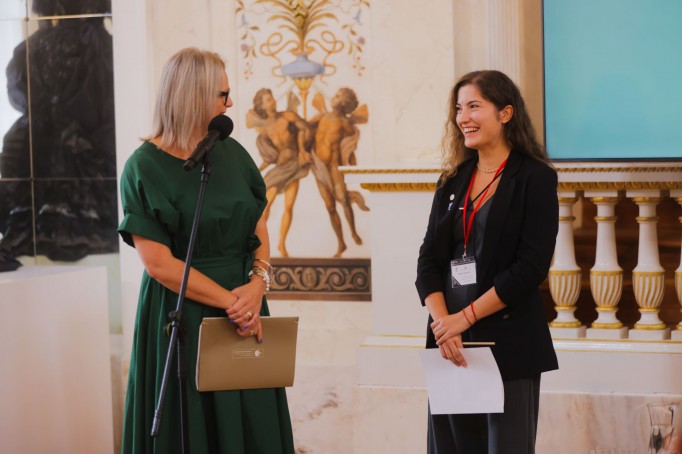
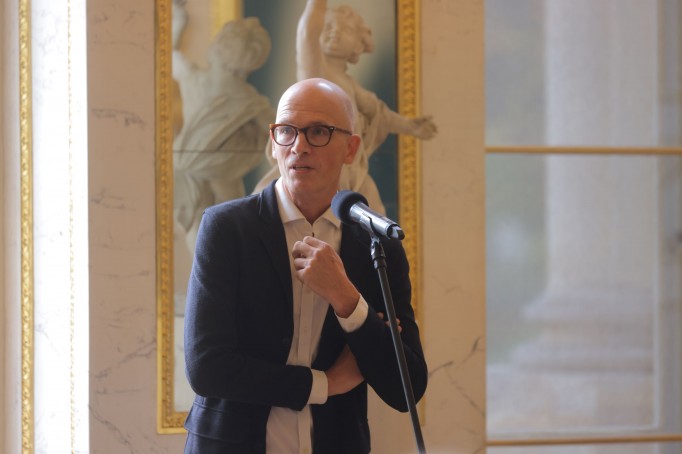
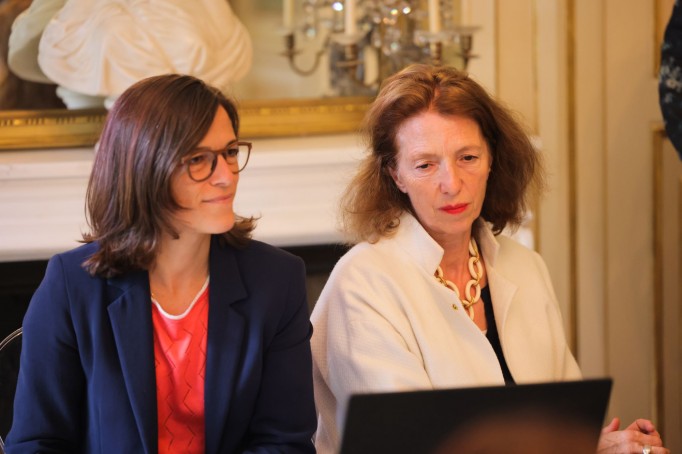
The event was opened by Dr Marianna Otmianowska, director of the Royal Łazienki Museum. The two-day discussion started with a reflection on the changing role of museums – as open institutions that engage the public and create a space for contemporary art, social dialogue and developing new ways of interpreting the past.
The meeting provided an opportunity for an exchange of experiences and best practice, and joint reflection on the future of Europe’s royal residences – places that combine heritage preservation with artistic, educational and social activities. The discussions revealed that a modern royal residence can be not only a place for preserving the past, but also a space for experimentation, dialogue and exploration of new ways of building relations with the public.
Contemporary art in historic residences
The first day was devoted primarily to the presence of contemporary art in historic interiors and gardens, and related conservation, technical and organisational challenges.
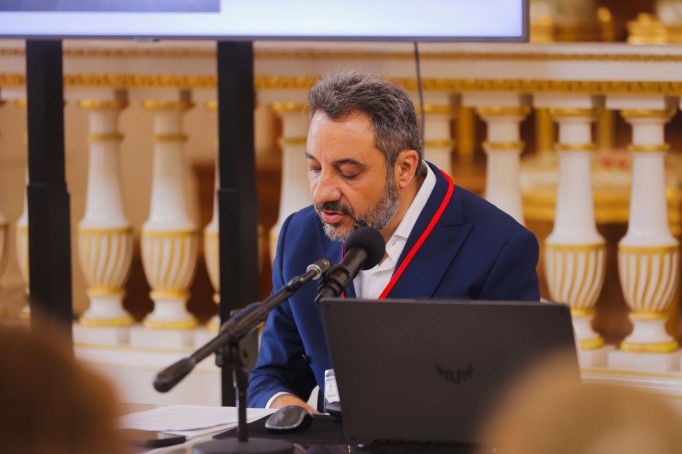
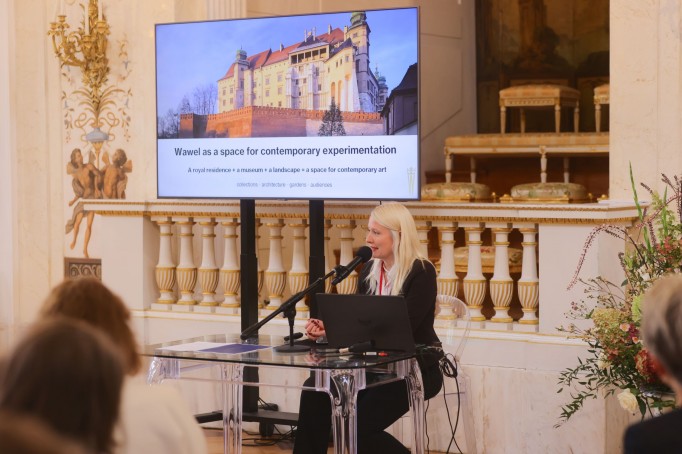
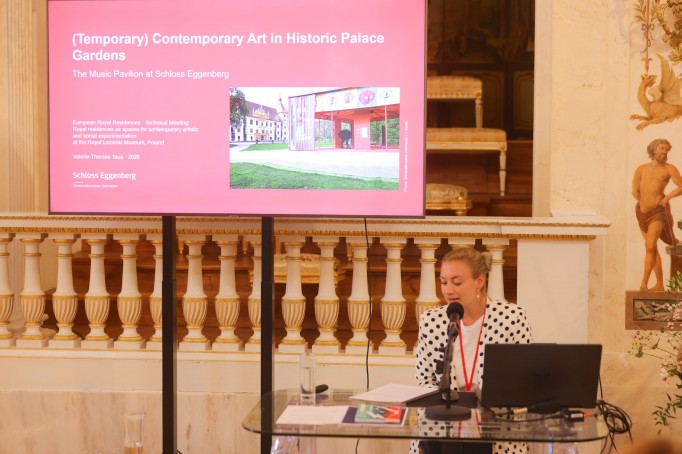
Antonio J. Sánchez Luengo from Patrimonio Nacional in Spain discussed ways of reinterpretation of historic collections through artistic practices. Bogumiła Wiśniewska from the Wawel Royal Castle – State Art Collections presented experiences of contemporary art forms in historic interiors and royal gardens. Valerie-Therese Taus from Schloss Eggenberg in Austria presented the Music Pavilion – a project combining contemporary art, music and the historic garden landscape.
Marijntje Knapen from Paleis Het Loo in the Netherlands and Tom O’Leary from Historic Royal Palaces in the United Kingdom talked about practical aspects of implementing new artistic projects in historic spaces, including issues relating to conservation, safety, infrastructure and visitor traffic management.
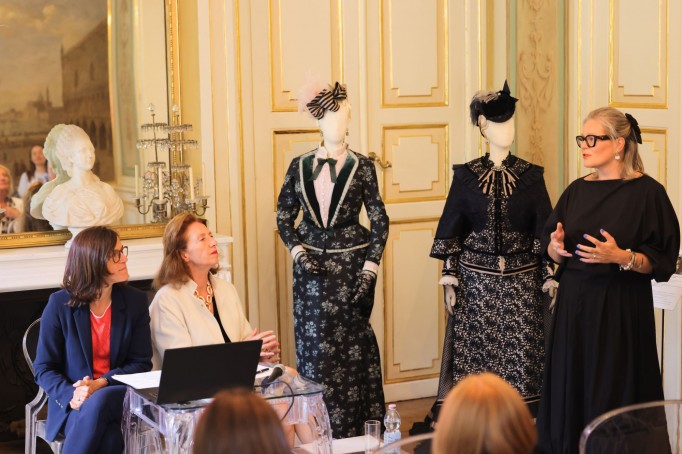
Muriel Barbier, senior curator and director of heritage and collections, spoke about the experiences of the Château de Fontainebleau in France. Among other topics, she mentioned the challenges involved in organising the ‘Grandeur Nature’ contemporary art biennial in the gardens of the Château de Fontainebleau.
Filipe Martinho and Sérgio Gorjão from the National Palace of Mafra (Palácio Nacional de Mafra) presented a new interpretation of the Hall of Discoveries, which refers to Portuguese expeditions and geographical discoveries, as well as historical contacts with other parts of the world. Monika Przypkowska from the Royal Castle in Warsaw discussed the ‘Klucz w Zamku’ (Key in the Castle) programme, which demonstrates how contemporary art can reinterpret historical collections.
Dorota Stelmaszczyk-Szwed told about the projects currently carried out at the Royal Łazienki Museum. She discussed contemporary artistic activities taking place in historic interiors and gardens as part of the exhibition ‘The Marvels of the Royal Łazienki’, including works by Alicja Bielawska and a multisensory installation prepared by Jan Pfeifer.
The examples from various European residences referred to during the meeting proved that contemporary art can not only enrich a cultural programme, but also expose historical sites to new ways of interpretation and experience. However, its existence requires an ongoing dialogue between artistic freedom and the need to protect heritage.
The public and new forms of participation
The second day focused on the role of the public, participation and building relationships between visitors and historic sites.
Maria Gadegaard from The Royal Danish Collection presented a project involving contemporary tapestries for Koldinghus, as well as the exhibition ‘Woven Masterpieces’, which juxtaposed contemporary art with historical works of tapestry. Julia Hagenberg from the Foundation for Prussian Palaces and Gardens in Berlin-Brandenburg spoke about projects which, through artistic activities, encourage the public to actively explore their heritage. Chiara Teolato and Clara Goria from the Consorzio delle Residenze Reali Sabaude presented the experiences of Reggia di Venaria, where contemporary art is combined with cultural, educational and social initiatives.
Anna Reszka-Bzinkowska and Magdalena Pasternak-Zabielska from the Museum of King Jan III’s Palace at Wilanów demonstrated how collaboration with artists and the Academy of Fine Arts in Warsaw can enrich the interpretation of this historic residence.
The programme also included presentations of projects currently carried out at the Royal Łazienki Museum. Kalina Cukrowska spoke about new ways of presenting hunting heritage in the context of a changing climate and growing environmental awareness. Marta Boguta and Jan Wiśniewski shared their experiences of participation of the public in the transformation of the Museum of Hunting and Horsemanship and the work of the community curatorial team. Zofia Zaccaria presented “The Łazienki Sketchbooks” – a project in which drawing became a means of active interpretation of the historic residence.
Historic residence and diplomacy
A separate session focused on combining diplomatic and representative roles with artistic and experimental activities. Zsófia Danka from the Buda Castle District in Hungary presented YBL6, a gallery based at the Várkert Bazár (Castle Garden Bazaar), at the intersection of contemporary art, culture and diplomacy. This example showed how an arts institution can operate in a venue that also serves representative and diplomatic functions.
Meetings and accompanying events
Experts from ARRE met with Nicolas Grospierre, whose works are on display at the Palace on the Isle, and with Anna Maria Wierzbicka, a professor at the Faculty of Architecture of the Warsaw University of Technology. They spoke to them about architecture, contemporary art and urban design. Nicolas Grospierre’s heliograms were one example of contemporary art in a museum setting, reflecting how art can engage with architecture and history.
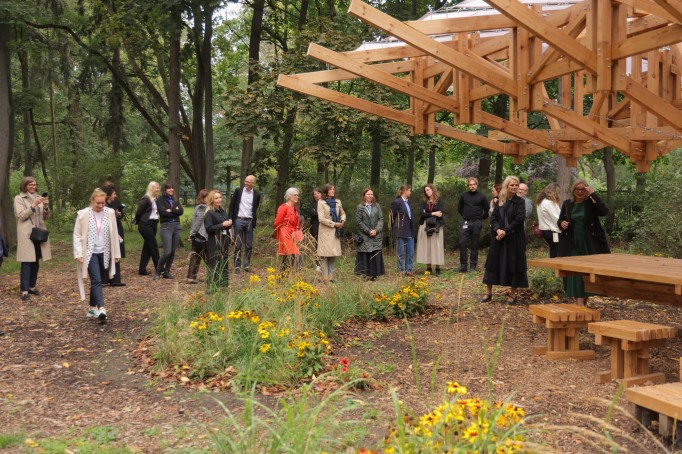
At the Royal Łazienki Museum, the participants of the event saw Arnaldo Pomodoro’s sculpture ‘Sfera con sfera’ and the summer pavilion designed by students from the Faculty of Architecture of the Warsaw University of Technology. Both projects illustrate how contemporary developments can fit into the historic landscape.
The participants also visited the exhibition ‘The Nabis. Prophets of a New Art’ at the Officer Cadet School and the Royal Castle in Warsaw.
The ARRE meeting was preceded by a lecture given on 16 September by Marie-Christine Labourdette, Director of the Château de Fontainebleau, and Muriel Barbier, senior curator and director of heritage and collections at the institution, on the creation of museums showcasing natural heritage and the relationship between humans and nature. The lecture provided an opportunity for an exchange of views on the role of cultural institutions in addressing contemporary challenges associated with the natural environment.
The topics discussed and some of the presentations given by representatives of the Royal Łazienki Museum were part of a wider area of interest of the institution, associated with new ways of telling about nature, animals and the relationship between humans and the environment. These issues are also addressed by the project ‘ARTEMIDA – a new narrative about animals and history in the refurbished spaces of the Royal Łazienki Museum’, carried out under measure FENX.07.01 ‘Culture and Cultural Tourism Infrastructure’, under priority FENX.07 ‘Culture’ of the European Funds for Infrastructure, Climate and Environment 2021–2027 (FEnIKS) programme.